
From Sense and Sensibility, Les Misérables and The Great Gatsby to The Hunt for Red October, The Bourne Ultimatum and L.A. Confidential, from The Expanse, Silo and Foundation to Paddington and The Jungle Book. Every title began on the page. Pick one and press Watch now.
Series from books
View all ›



Films from books
View all ›


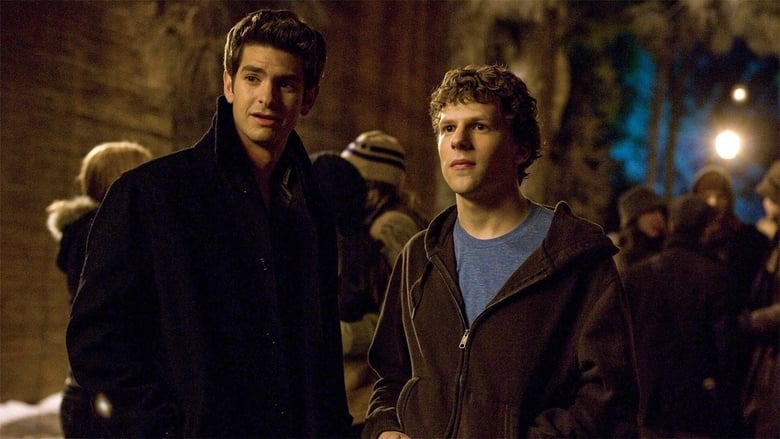
Classics and period novels
View all ›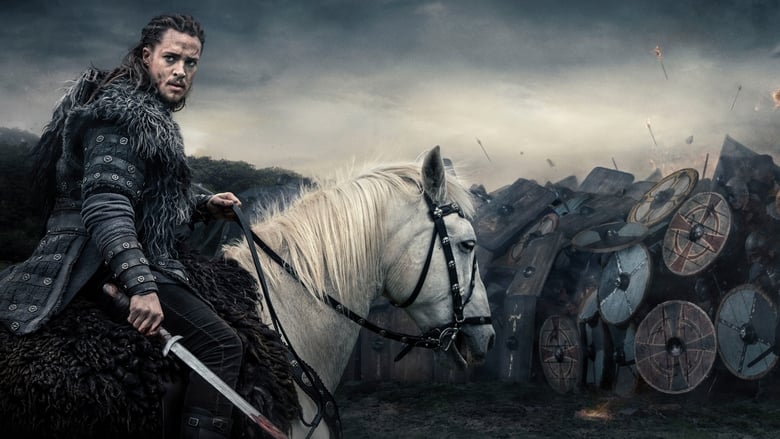
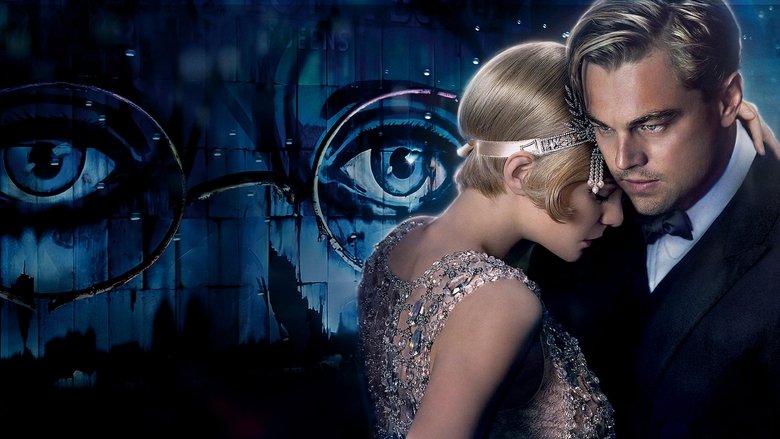
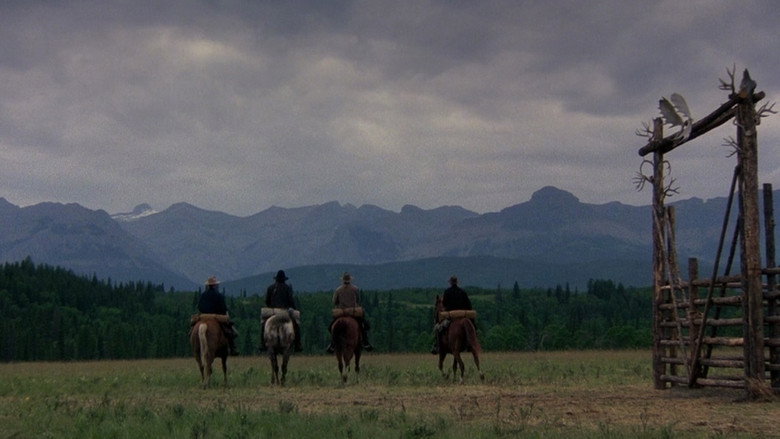


Spy and thriller novels
View all ›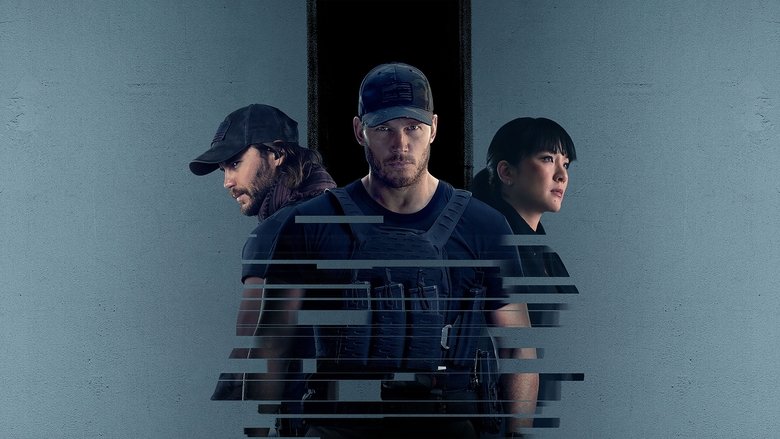 The Terminal ListSeries · 2022
 The Day of the JackalSeries · 2024
 The Terminal List: Dark WolfSeries · 2025
 CrossSeries · 2024
 No Time to DieFilm · 2021
 Jack Reacher: Never Go BackFilm · 2016
 The Bourne SupremacyFilm · 2004
 Lone SurvivorFilm · 2013
 The Bourne UltimatumFilm · 2007
 HomefrontFilm · 2013
- View all
Science fiction
View all ›


True stories and memoirs
View all ›

Children's books
View all › HeartlandSeries · 2007
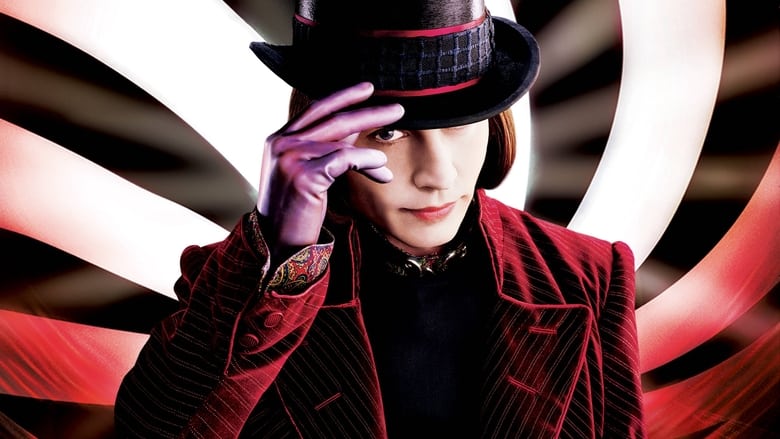 Charlie and the Chocolate FactoryFilm · 2005
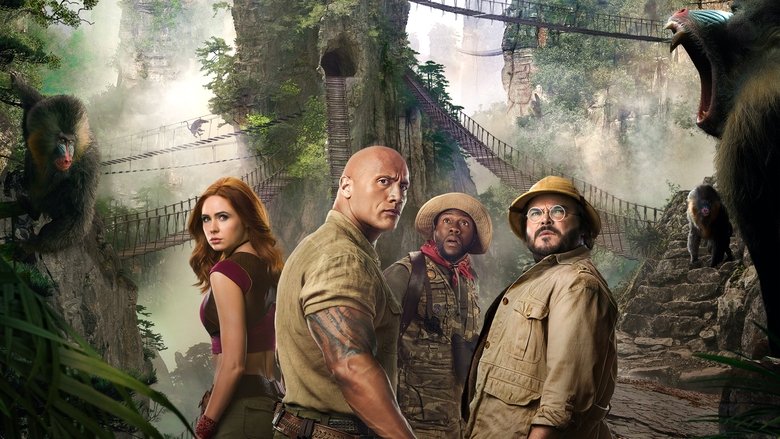 Jumanji: The Next LevelFilm · 2019
 The Jungle BookFilm · 2016
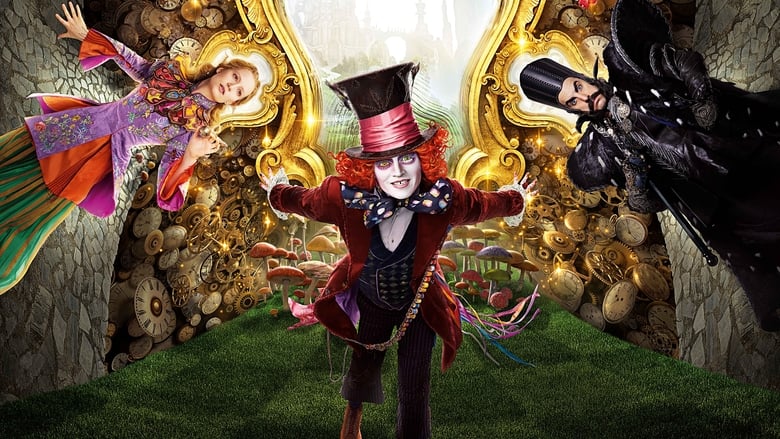 Alice Through the Looking GlassFilm · 2016
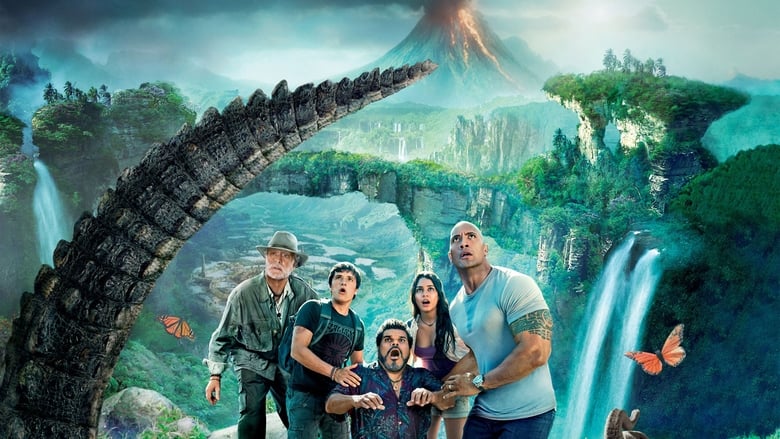 Journey 2: The Mysterious IslandFilm · 2012
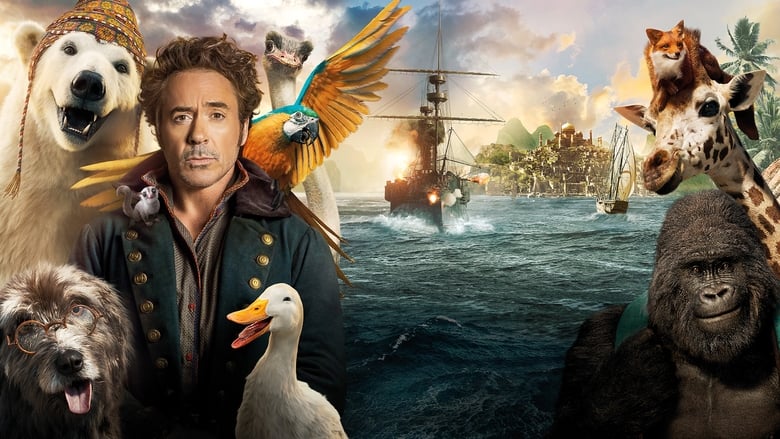 DolittleFilm · 2020
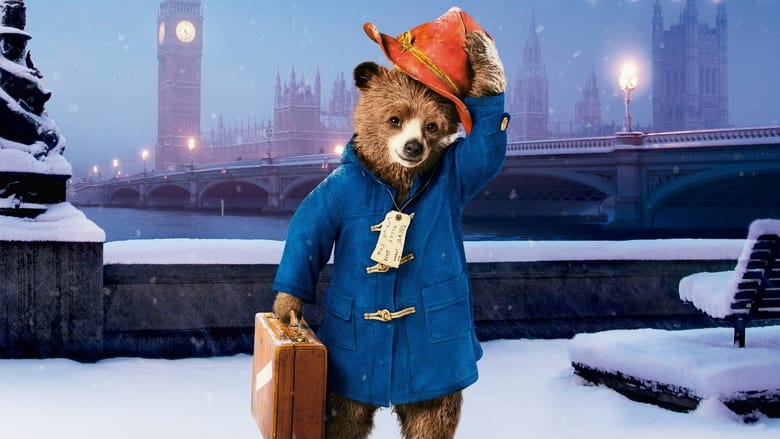 PaddingtonFilm · 2014
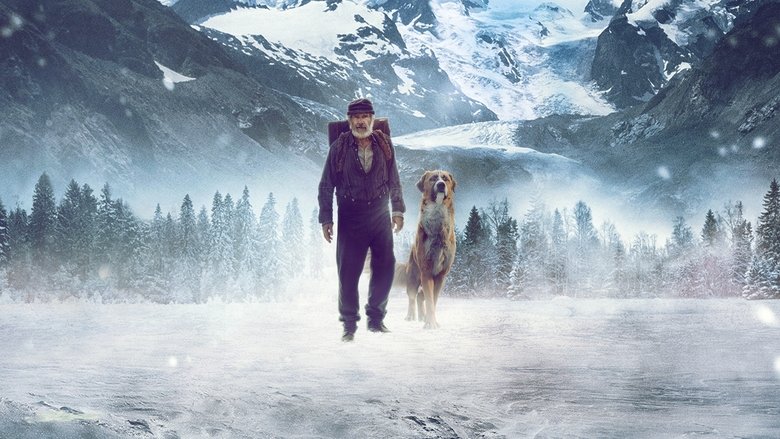 The Call of the WildFilm · 2020
 A Dog's PurposeFilm · 2017
- View all
Young adult and fantasy
View all ›


Reading room
View all ›- How to watch with AbibliFrom the rail to the first scene.
- From the page to the screenHow books become films and series.
- Classic novels on AbibliAusten, Hugo, Dumas and friends.
- Spy and thriller novels on AbibliClancy, Ludlum, Child and more.
- Science fiction from booksSagan, Asimov, Crichton and Dick.
- True stories and memoirsReal lives, first told in print.
- Subtitles and audioCaptions and language tracks.
- The official Abibli siteRecognising Abibli.
- Is Abibli working?A quick check and friendly fixes.
- Where Abibli titles streamThe official services behind the guide.
- Apps and devicesPhones, tablets, laptops and TVs.
- Free adaptationsLegal ways to watch at zero cost.
- Streaming safelyA short checklist.
- Finding a titleSearch by title, star or author.
- My ListSaving titles and following series.
Abibli: films and series adapted from books, from Sense and Sensibility and The Hunt for Red October to Silo, The Expanse and Paddington
Abibli takes its name from the old word for a library, and that is exactly what it has become: a library of stories that began on the page and found a second life on the screen. The site first appeared as a sleek film portal with a near-black page, a glowing billboard and rails of wide, rounded cards. The new Abibli keeps that cinematic look and gives it a clear purpose. It gathers films and television series adapted from novels, memoirs, story collections and children's books, arranges them by the kind of book they came from, and gives every title a Watch now button that opens it on the official services in your country.
Adaptation is one of the oldest traditions in film. Some of the most beloved movies ever made began as novels, and in the streaming age, long book series have become some of the most ambitious television of all. A good adaptation sends viewers back to the book, and a good book makes viewers curious about the film. Abibli is a friendly guide for both kinds of reader: those who want to see how a favourite novel looks on screen, and those who want to discover the book behind a favourite film.
The Abibli design
The archived capture of abibli.com from September 2026 preserves its home page and its full style sheet, and the design here is measured from them. The page is a deep ink black, and the top of it glows with warm amber light, as if the billboard below were casting its colour upwards. The brand colour is a golden amber, used for focus rings, links and small accents; a deep navy and a soft mist grey complete the palette. The typeface is Outfit, a clean, geometric sans-serif with generous round letters, and headings are set bold and tight, like film titles.
The wordmark spells ABIBLI in heavy white capitals, followed by two amber bars that stand for book spines on a shelf. The favicon shows a white A beside a single amber spine, so the site is easy to spot among your browser tabs.
The header
The header floats over the amber glow. On the left is the ABIBLI wordmark, which always leads home. The main links follow in soft white: Home, Films, Series, Classics, Thrillers and the A-Z index, with the page you are on shown in full white with a slim white underline, exactly as on the original. On the right sits a rounded search field that accepts titles, actors and directors, and a bookmark icon that opens My List. On a phone, the links fold into a round menu button that opens the search field and every section.
The billboard
The home page opens with a billboard: a large panel with rounded corners filled edge to edge with a backdrop from a featured title. A soft black gradient rises from the bottom and the left so the text stays readable. Above the title sits a small amber line with the site's headline, then the featured title in big bold letters, a meta line with the kind of title, its genre, its year and its length, and a three-line summary. Two rounded buttons finish the billboard, as on the original: a white Watch now pill with a play icon and a translucent More info pill. Beneath the billboard, a short introduction lists some of the adaptations waiting on the shelves.
The rails and the wide cards
Below come the rails, one for each kind of book: series from books, films from books, classics and period novels, spy and thriller novels, science fiction, true stories and memoirs, children's books, and young adult and fantasy. Each rail has a bold heading and a View all link, and its cards scroll sideways, five across on a laptop and one and a bit on a phone, so you can glide through a shelf with a swipe. Every card is wide, in the shape of a cinema screen, with a backdrop image, a gentle black gradient along the bottom and the title written over the picture, followed by whether it is a film or a series and its year. The last card of each rail is a dark outlined tile that says View all, just like the original. Under the pointer, the picture zooms in slightly.
The title page
Every film and series has its own page, with the poster, the title, the year, the genres and the rating, followed by the story and the main cast. Series pages list every season and all its episodes with their air dates, and you can tick the episode you reached. Next to the poster sit the country selector and the Watch now button, which opens the title on JustWatch for the country you choose. The how to watch guide walks through each step.
Why adaptations matter
A novel and a film tell stories in very different ways. A novel can spend a page inside a character's thoughts, stretch a single afternoon across a chapter, and leave the reader to imagine every face and room. A film has two hours, a camera and actors, and it must turn thoughts into glances and chapters into scenes. A television series sits between the two, with room for subplots and minor characters that a film would have to cut. Watching an adaptation is a little like hearing a favourite song played by a new band: the melody is familiar, and the pleasure lies in the arrangement.
The book-to-screen guide explores how films and series approach their source, and the two big shelves, Films from books and Series from books, gather every title on Abibli, most popular first.
Jane Austen and the period drama
Jane Austen is one of the most adapted novelists in the English language, and two of the finest Austen films sit on the shelves. Sense and Sensibility, from 1995, was directed by Ang Lee from a screenplay by Emma Thompson, who also plays the sensible elder sister Elinor Dashwood, with Kate Winslet as the passionate Marianne; Thompson's screenplay won an Academy Award. Pride & Prejudice, from 2005, is Joe Wright's romantic, windswept version of Austen's best-known novel, with Keira Knightley as Elizabeth Bennet and Matthew Macfadyen as Mr Darcy striding across a misty field at dawn.
Joe Wright returned to the literary adaptation with Atonement, from Ian McEwan's novel about a young girl's mistake and its consequences across the Second World War, famous for its long, unbroken shot of the beach at Dunkirk. The classics guide and the Classics and period novels collection gather the period dramas together.
Adventure classics
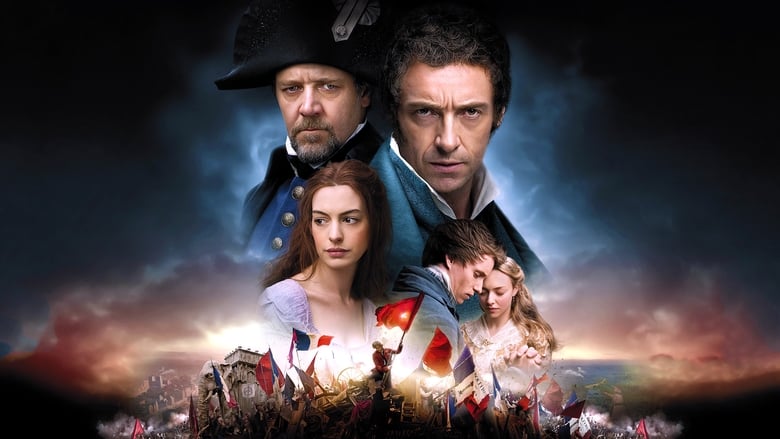
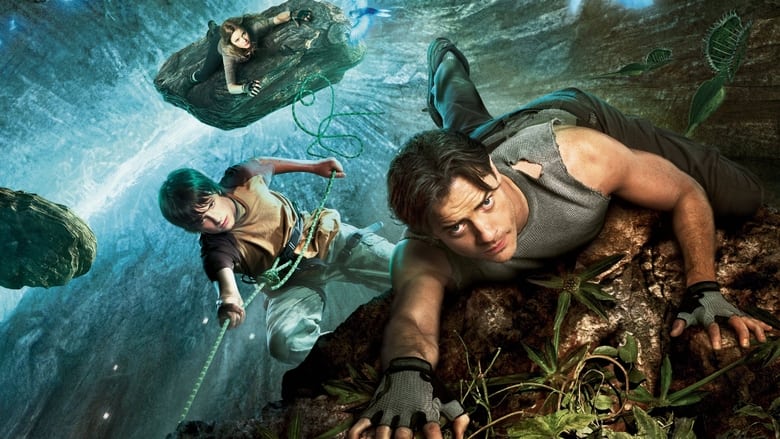
The great adventure novels of the nineteenth century have inspired film-makers for a century. The Last of the Mohicans, directed by Michael Mann in 1992, adapts James Fenimore Cooper's novel of the French and Indian War with Daniel Day-Lewis as Hawkeye and a stirring score that remains one of the most recognisable film themes of the 1990s. The Three Musketeers brings Alexandre Dumas's swashbuckling heroes to life, and Les Misérables, from 2012, is Tom Hooper's film of the stage musical based on Victor Hugo's novel, with the actors singing live on set. Journey to the Center of the Earth and Journey 2: The Mysterious Island take Jules Verne into the age of 3D, and The Call of the Wild follows Jack London's sled dog Buck across the Yukon, with Harrison Ford as his companion.
Twentieth-century classics
The Great Gatsby, from 2013, is Baz Luhrmann's dazzling version of F. Scott Fitzgerald's novel of the Jazz Age, with Leonardo DiCaprio as the mysterious millionaire and a soundtrack that mixes the 1920s with modern hip-hop. The Outsiders, from 1983, is Francis Ford Coppola's film of S. E. Hinton's novel about rival teenage gangs, which Hinton began writing at the age of fifteen, and its cast became a who's who of the next generation of stars. Empire of the Sun, directed by Steven Spielberg, adapts J. G. Ballard's semi-autobiographical novel about a British boy in a Japanese internment camp near Shanghai, with a young Christian Bale in the lead.
The Name of the Rose turns Umberto Eco's medieval murder mystery into an atmospheric film with Sean Connery as a monk-detective, Legends of the Fall adapts Jim Harrison's novella about three brothers in the American West, and Revolutionary Road, from Richard Yates's novel, reunites Leonardo DiCaprio and Kate Winslet as a suburban couple whose dreams unravel in the 1950s. The Last Kingdom, on the series side, adapts Bernard Cornwell's Saxon Stories across five seasons of Viking-age battles.
Tom Clancy and Jack Ryan
Tom Clancy's novels about the analyst Jack Ryan defined the techno-thriller, and four Ryan films sit on the Spy and thriller novels shelf. The Hunt for Red October, from 1990, follows a Soviet submarine captain, played by Sean Connery, who may be defecting to the West with the most advanced submarine in his navy, while a young Ryan, played by Alec Baldwin, races to understand his plan. Harrison Ford took over the role in Patriot Games and Clear and Present Danger, and Ben Affleck played a younger Ryan in The Sum of All Fears. The thriller guide suggests a viewing order.
Jason Bourne and the modern spy
Robert Ludlum's amnesiac agent Jason Bourne became a new kind of action hero in the films starring Matt Damon. The Bourne Supremacy and The Bourne Ultimatum, both directed by Paul Greengrass, use handheld cameras, real locations and fast, clear fight scenes that changed the look of action cinema for a decade. The modern spy shelf continues with The Gray Man, from Mark Greaney's novel, with Ryan Gosling as an agent on the run, American Assassin, from Vince Flynn's Mitch Rapp novels, Child 44, from Tom Rob Smith's novel about a detective in Stalin's Soviet Union, and The November Man, with Pierce Brosnan as a retired agent drawn back into the game.
On television, The Day of the Jackal reimagines Frederick Forsyth's classic novel with Eddie Redmayne as a master assassin and Lashana Lynch as the intelligence officer on his trail, and The Terminal List, from Jack Carr's novels, stars Chris Pratt as a Navy SEAL uncovering a conspiracy. Ian Fleming's James Bond appears in Spectre, and Denzel Washington plays a bodyguard on a mission of revenge in Man on Fire, from A. J. Quinnell's novel.
Lawyers and the courtroom
Legal thrillers have been a publishing phenomenon since the 1990s. The Pelican Brief, from John Grisham's novel, pairs Julia Roberts as a law student who uncovers a conspiracy with Denzel Washington as a reporter. Absolute Power, from David Baldacci's first novel, stars Clint Eastwood as a master burglar who witnesses a crime in the home of a powerful man. On the series side, The Lincoln Lawyer follows Michael Connelly's defence attorney Mickey Haller, who runs his practice from the back of a Lincoln, and Perry Mason reimagines Erle Stanley Gardner's famous lawyer in the Los Angeles of the 1930s, with Matthew Rhys.
Crime fiction
Crime novelists have given cinema some of its sharpest scripts, and the Crime fiction shelf gathers twenty adaptations. L.A. Confidential, from James Ellroy's sprawling novel, follows three very different police officers in 1950s Los Angeles, and it won Academy Awards for its screenplay and for Kim Basinger. Elmore Leonard, famous for his dialogue, is represented twice: Get Shorty, in which John Travolta plays a debt collector who falls in love with the film business, and Jackie Brown, Quentin Tarantino's film of Leonard's Rum Punch, with Pam Grier as a flight attendant who outwits everyone around her.
The Talented Mr. Ripley adapts Patricia Highsmith's novel of envy and deception on the Italian coast, with Matt Damon, Jude Law and Gwyneth Paltrow. The Town, from Chuck Hogan's novel, follows a crew of Boston bank robbers, and A Walk Among the Tombstones brings Lawrence Block's private detective Matthew Scudder to the screen with Liam Neeson. On television, Dark Winds follows Tony Hillerman's Navajo police officers Joe Leaphorn and Jim Chee across the desert of the 1970s, Murdoch Mysteries follows Maureen Jennings's inventive detective in Victorian Toronto across twenty seasons, Tracker follows Jeffery Deaver's reward-seeking survivalist Colter Shaw, and Bad Monkey brings Carl Hiaasen's comic Florida mayhem to life with Vince Vaughn.
Agatha Christie
Agatha Christie is the best-selling novelist of all time, and her Belgian detective Hercule Poirot has a small shelf of his own. Death on the Nile appears twice: Death on the Nile of 1978 stars Peter Ustinov as Poirot with a starry cast aboard a Nile steamer, and Death on the Nile of 2022 is directed by and stars Kenneth Branagh. Branagh also made Murder on the Orient Express, set aboard the snowbound train, and A Haunting in Venice, loosely based on Hallowe'en Party, which moves the detective to a crumbling palazzo on a stormy night. Watching the two versions of Death on the Nile side by side is a lovely way to see how adaptations change with the times. Open Agatha Christie.
Science fiction from the page
Science fiction has always been a literature of ideas, and the Science fiction shelf gathers twenty-four adaptations. Contact, from 1997, adapts Carl Sagan's only novel, with Jodie Foster as a radio astronomer who hears a message from the stars. Children of Men, Alfonso Cuarón's film of P. D. James's novel, imagines a world where the last baby was born eighteen years earlier, and its long, unbroken action scenes are studied in film schools. Cloud Atlas weaves David Mitchell's six nested stories, from a nineteenth-century sea voyage to a distant future, into one sweeping film.
Total Recall and The Man in the High Castle both come from Philip K. Dick, the first a Mars adventure with Arnold Schwarzenegger and the second a series imagining an America that lost the Second World War. Sphere adapts Michael Crichton's deep-sea mystery, Bicentennial Man adapts Isaac Asimov's story of a robot who longs to be human, with Robin Williams, and The Hitchhiker's Guide to the Galaxy brings Douglas Adams's comic masterpiece to the screen. The science fiction guide suggests where to start.
Science-fiction sagas on television
Long science-fiction book series are perfect for television. The Expanse, from the novels of James S. A. Corey, follows a detective, a ship's crew and a politician as the solar system edges towards war, and it is admired for its realistic physics. Foundation adapts Isaac Asimov's classic saga of a mathematician who predicts the fall of a galactic empire. Silo, from Hugh Howey's novels, stars Rebecca Ferguson as an engineer in an underground city of ten thousand people who begins to ask what lies outside. Dark Matter, from Blake Crouch's novel, follows a physicist abducted into an alternate version of his own life, and 3 Body Problem adapts Liu Cixin's celebrated Chinese trilogy about first contact.
Young adult and fantasy
Young adult novels have launched some of the biggest franchises of the century. Stephenie Meyer's Twilight saga appears in full, from Twilight through The Twilight Saga: New Moon and The Twilight Saga: Eclipse to the two parts of Breaking Dawn, with Kristen Stewart and Robert Pattinson as the teenager and the vampire in the rainy town of Forks. Insurgent continues Veronica Roth's Divergent story, and Cassandra Clare's Shadowhunter books appear as both a film, The Mortal Instruments: City of Bones, and a series, Shadowhunters.
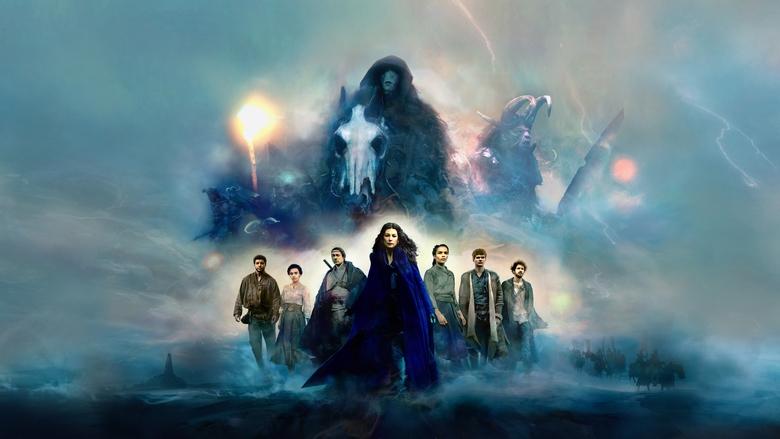
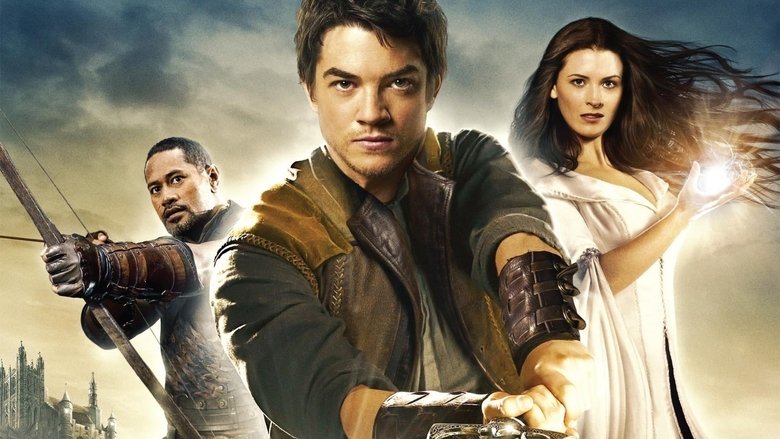
On television, The Vampire Diaries, The 100, Pretty Little Liars and Gossip Girl all began as book series for teenagers, and The Summer I Turned Pretty and XO, Kitty come from Jenny Han, whose novels have become a small streaming universe of their own. The Perks of Being a Wallflower is rare among adaptations: its author, Stephen Chbosky, directed the film himself. For grown-up fantasy, The Wheel of Time adapts Robert Jordan's epic of the Dragon Reborn, and Legend of the Seeker follows Terry Goodkind's Sword of Truth. The Young adult and fantasy shelf gathers them all.
Romance novels
Romance is the best-selling genre in publishing, and its adaptations are some of the most rewatched films anywhere. The Notebook, from Nicholas Sparks's novel, follows a summer romance in 1940s South Carolina told by an old man reading to a woman in a care home, with Ryan Gosling and Rachel McAdams. The Bridges of Madison County brings Robert James Waller's novel to life with Clint Eastwood as a photographer and Meryl Streep as an Iowa farmer's wife, and Me Before You follows Jojo Moyes's cheerful carer and the man she looks after.
Bridget Jones's Diary, from Helen Fielding's novel, which itself borrows its plot from Pride and Prejudice, stars Renée Zellweger as a London singleton with a diary of resolutions. Crazy Rich Asians adapts Kevin Kwan's comic novel of a Singapore wedding, The Devil Wears Prada adapts Lauren Weisberger's novel of life at a fashion magazine, with Meryl Streep as the formidable editor, and Where the Crawdads Sing brings Delia Owens's best-seller about a girl raised alone in the North Carolina marshes to the screen. Practical Magic, Love, Rosie and It Ends with Us complete the Romance novels shelf, with Virgin River and Younger on the series side.
True stories and memoirs
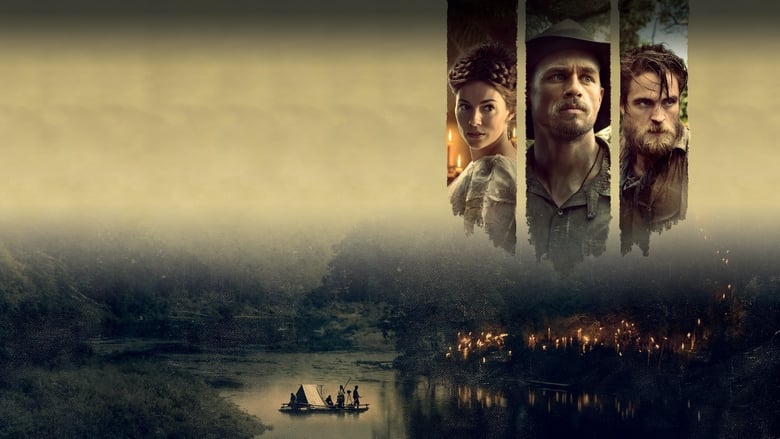
Some of the most powerful adaptations come from real life. A Beautiful Mind, from Sylvia Nasar's biography, follows the mathematician John Nash, played by Russell Crowe, and it won the Academy Award for best picture. Awakenings comes from the neurologist Oliver Sacks's account of patients who woke after decades, with Robin Williams and Robert De Niro. 127 Hours, from Aron Ralston's memoir, follows a climber trapped by a boulder in a Utah canyon, and The Perfect Storm, from Sebastian Junger's book, follows a fishing crew caught in the storm of 1991. The Lost City of Z, from David Grann's book, follows the explorer Percy Fawcett into the Amazon.
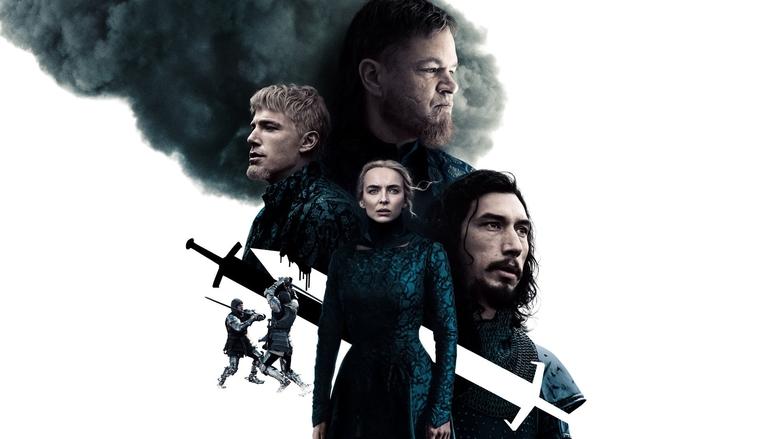
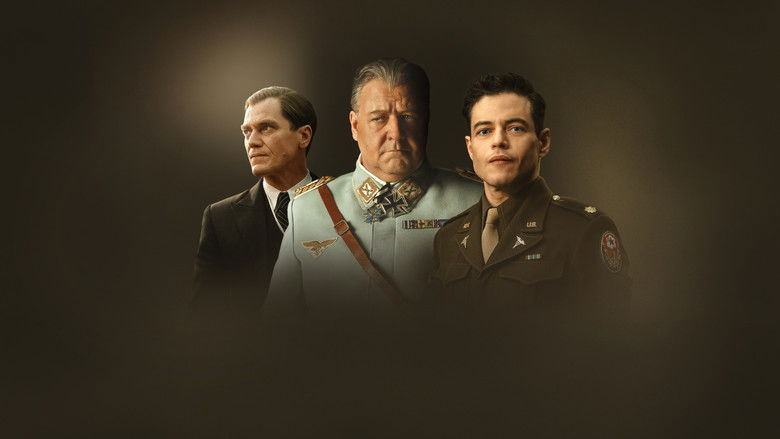
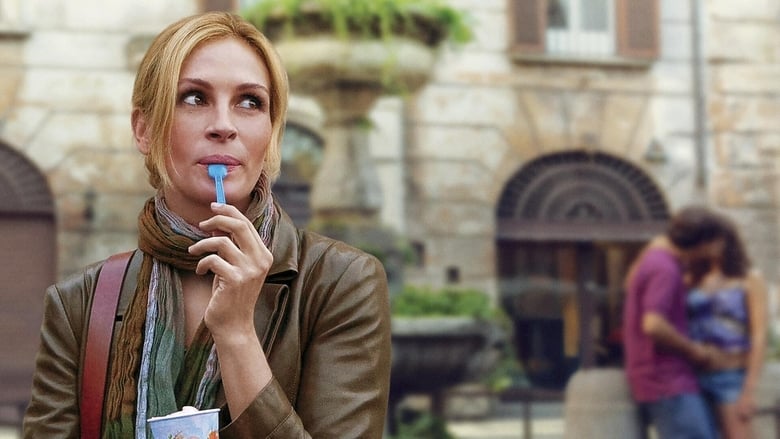
The Social Network adapts Ben Mezrich's book about the founding of Facebook, with Aaron Sorkin's rapid-fire script, and Girl, Interrupted, This Boy's Life and Eat Pray Love come from celebrated memoirs. In the Name of the Father follows Gerry Conlon's fight to clear his name, The Last Duel recreates the last legally sanctioned judicial duel in medieval France, and Nuremberg follows the American psychiatrist assigned to Hermann Göring before the trials of 1945. On the series side, Call the Midwife adapts Jennifer Worth's memoirs of midwifery in the East End of London in the 1950s, and New Amsterdam grew from a doctor's memoir of running a public hospital. The true stories guide and the True stories and memoirs collection gather them all.
Children's books
The children's books we grow up with make some of the most joyful films. Paddington, from Michael Bond's books, sends a polite bear from darkest Peru to London with a suitcase, a hat and a love of marmalade, and it is one of the best-loved family films of the century. Charlie and the Chocolate Factory is Tim Burton's version of Roald Dahl's story, with Johnny Depp as Willy Wonka, and The Jungle Book, from 2016, retells Rudyard Kipling's tales with a real boy and a jungle created entirely by computer. Stuart Little adapts E. B. White's story of a mouse adopted by a New York family, and Homeward Bound: The Incredible Journey follows two dogs and a cat across the mountains to find their family, from Sheila Burnford's novel.
Hugh Lofting's doctor who talks to animals appears twice, in Doctor Dolittle with Eddie Murphy and in Dolittle with Robert Downey Jr., and A Dog's Purpose, from W. Bruce Cameron's novel, follows one dog's spirit through several lives. Jumanji: The Next Level continues the adventure that began with Chris Van Allsburg's picture book, and Alice Through the Looking Glass returns to Lewis Carroll's Wonderland. The Children's books shelf is perfect for a family evening.
Book-club favourites
Book clubs love a novel that sparks a conversation, and many of those novels became films. Slumdog Millionaire, from Vikas Swarup's novel Q and A, follows a young man from the slums of Mumbai whose life story holds the answer to every quiz-show question, and it won eight Academy Awards. Silver Linings Playbook, from Matthew Quick's novel, and Still Alice, from Lisa Genova's novel about a linguistics professor facing early memory loss, both won Oscars for their leading actresses, Jennifer Lawrence and Julianne Moore. A Man Called Otto adapts Fredrik Backman's A Man Called Ove, with Tom Hanks as a grumpy widower won over by his new neighbours, and Fried Green Tomatoes and What's Eating Gilbert Grape are warm, funny adaptations of American novels about family and friendship. The Modern literary fiction shelf makes a fine reading list.
Subtitles, captions and audio
The official services offer English subtitles and closed captions for almost every film and series on Abibli, and most add a wide choice of other languages and dubbed tracks. Many also offer audio description, a narrated track that describes the action for blind and partially sighted viewers, which can feel a little like listening to the book again. The subtitles guide explains how to change tracks in the player.
How Watch now works
Every title page has a country selector and a Watch now button. Choose your country, press the button, and JustWatch opens with the official services that carry the title where you live, grouped into subscriptions, free services with adverts, and places to rent or buy. Choose one, and the title plays in that service's own app or website. Your country is remembered for next time, and the white Watch now pill on the billboard takes you straight to the same button on the featured title's page.
The services behind the guide
Adaptations are spread across nearly every streaming service. Netflix, Prime Video, Disney+, Max, Apple TV+, Peacock and Paramount+ each carry a share of them, and the mix changes from country to country and month to month. Apple TV+ produces Foundation and Prime Video produces The Expanse and The Wheel of Time, while many older films are easy to rent or buy from Apple TV, Google TV and Prime Video. The where titles stream guide introduces each service, and the Watch now button always shows the current choices for your country.
Free ways to watch
There are plenty of legal ways to watch adaptations at zero cost. Free services with adverts, such as Tubi, Pluto TV and The Roku Channel, carry a large number of films from the 1980s, 1990s and 2000s. In many countries, a public library card unlocks film streaming through services such as Kanopy and Hoopla, which feels just right for a site named after a library. Press Watch now to see the free options for your country beside the paid ones. The free adaptations guide has the details.
Apps and devices
Abibli works in any modern web browser, on a phone, a tablet, a laptop or a desktop computer, and it can be pinned to a phone's home screen for one-tap access. The titles play in the official apps of each service, installed from Google Play, the App Store, a games console or your television's own store, and streaming sticks such as Fire TV, Google TV, Apple TV and Roku run the same apps on the big screen. The apps and devices guide explains more.
My List, your personal shelf
My List is your own shelf of films and series to watch. Press Add to My List on any title page, or open the bookmark in the header to see everything you have saved. For series, tick the episode you reached, handy for long runs such as the twenty seasons of Murdoch Mysteries and Heartland or the many seasons of Call the Midwife. My List lives in your own browser, so it stays private, and the Export and Import buttons carry it to another device as a small file. The My List guide explains every button.
Finding a title
The search field in the header finds titles, actors and directors as you type, and pressing Enter opens a full results page with filters for films and series, genres and years. The rails on the home page are the quickest way to browse by kind of book, and the A-Z index lists every title in alphabetical order. The finding a title guide has more tips.
The official Abibli site
The official Abibli site has a near-black page washed with amber light, a bold white ABIBLI wordmark followed by two amber book spines, an underlined menu, a rounded billboard with a white Watch now pill and rails of wide cards with titles over the picture. Every Watch now button leads to JustWatch, and from there to the official services. The official site guide describes the design in detail, so you can always recognise the real Abibli.
Streaming safely
A few simple habits keep streaming safe. Install apps from the official stores, give each service its own strong password and switch on two-step sign-in, and before paying for anything, check that the address bar shows the real name of the service. Abibli links only to JustWatch, and JustWatch links only to official services. The safety guide has a short checklist.
Is Abibli working?
If a page seems slow, open the home page and then any title. If both appear, the site is running well, and a refresh, a cleared cache or another browser usually settles the rest. Playback happens on each streaming service, so its help centre is the right place for playback questions. The site status guide lists each step.
Privacy
Abibli keeps your information in your own hands. My List, your viewing country and your episode marks are saved in your browser's local storage, and clearing your browser data clears them too. The site loads posters and backdrops from TMDB, the Outfit font and the small script behind search and My List. The privacy page gives the full details.
How the catalogue is chosen
Every title on Abibli was picked by hand. The shelves hold English-language films and series adapted from books, from 1978 to 2025, chosen for their quality, their popularity and the fame of the books behind them. Each title was screened individually, and the guide leaves sex-led, gore-led and shock-horror titles to other corners of the web. Titles that already live on the other guides of the Claude V2 family, such as the Harry Potter and Lord of the Rings films, the Hunger Games and the great franchise blockbusters, are left to those guides, so each site keeps its own character. Posters and production details come from TMDB.
The story of Abibli
The name Abibli first appeared on a slick film site in 2026, with a glowing billboard, rails of wide cards and a shelf of superhero and science-fiction blockbusters. That page is preserved in the web archive, and it gave the new Abibli its look: the ink-black page, the amber glow, the Outfit type, the rounded billboard and the rails. The name itself suggested the rest. The new Abibli is an independent guide to the stories that began as books, run by an editorial team of keen readers and viewers, and it points every visitor to the official services.
Your first visit
On your first visit, start with the billboard: it shows one featured adaptation with its story and a Watch now button. Then scroll down the rails, one kind of book at a time, and swipe sideways through any shelf that catches your eye. If you already have a book in mind, type its title into the search field. Save anything that appeals to My List with the bookmark, and when you are ready, press Watch now.
Read first or watch first?
Readers have argued about this for as long as there have been films. Reading first lets you meet the characters in your own imagination, and the film becomes a fascinating comparison. Watching first can make a long or demanding novel easier to begin, because the names and places already feel familiar. For a long series such as The Expanse or Silo, many fans read a book, watch a season, and carry on in turns. There is joy in every order.
A book-and-film club
A book-and-film club is a lovely way to enjoy adaptations with friends. Choose a novel with a well-loved film, such as Atonement, The Talented Mr. Ripley or Slumdog Millionaire, give everyone a few weeks to read it, and then gather to watch the film together. The conversation afterwards almost runs itself: which scenes were cut, which characters changed, which moments the film captured better than the page. Abibli's shelves make a ready-made reading list for a whole year of meetings.
Audiobooks and adaptations
Audiobooks make a perfect companion to adaptations. Listening to a novel on the commute and watching its film at the weekend doubles the pleasure, and many audiobooks are read by celebrated actors, sometimes the same ones who appear on screen. Libraries in many countries lend audiobooks for free through their apps, so the whole story, page and screen, can be enjoyed at little or zero cost.
Series or film?
Some books suit a film and some suit a series. A tight thriller such as The Hunt for Red October fits naturally into two hours, while a sprawling saga such as The Wheel of Time or Foundation needs several seasons to breathe. A few stories have been told both ways: Cassandra Clare's Shadowhunter novels became the film The Mortal Instruments: City of Bones and then the series Shadowhunters, and comparing them is a lesson in how the two forms work.
Happy reading and watching
Whatever you choose, from an Austen romance to a submarine thriller, from a memoir of survival to a bear who loves marmalade, the stories on Abibli have already delighted readers and viewers for years. Browse the rails, keep your shelf in My List, and when the credits roll, pick up the book, or the next adaptation. Share your favourites with friends and family, argue happily about which version is better, and pass on the stories that moved you most.
A short history of the adaptation
Film-makers turned to books almost as soon as cinema was invented. The earliest silent films borrowed scenes from Dickens, Hugo and the Bible, because audiences already knew and loved those stories. When sound arrived, studios bought the rights to best-sellers by the dozen, and for much of the twentieth century a large share of the films that won the top awards were based on novels or plays. Television followed the same path, first with classic serials adapted from nineteenth-century novels, and later with miniseries built from popular fiction.
The streaming age has changed the balance again. With seasons of eight or ten hours to fill, series can now adapt long novels and whole book cycles with a patience that a single film could only dream of. Publishers and producers work more closely than ever, and a successful adaptation can send a book back to the top of the best-seller lists decades after it first appeared. The shelves of Abibli cover that whole modern story, from the late 1970s to today.
The screenwriter's craft
Adapting a book is a craft of choices. The screenwriter must decide which characters to keep, which to merge and which to leave behind, which scenes carry the heart of the story and which can be summed up in a single image. Inner thoughts must become action or dialogue, and a narrator's voice must be turned into something an actor can say or a camera can show. Some writers stay very close to the page; others keep only the spirit of the book and invent freely around it. Both approaches have produced masterpieces, and noticing the choices is one of the great pleasures of watching an adaptation after reading the book.
Adaptations and the awards
Adaptations have a long and happy history at the awards ceremonies. On Abibli alone, A Beautiful Mind and Slumdog Millionaire won the top prize for best picture, Sense and Sensibility and L.A. Confidential won awards for their adapted screenplays, and leading performances in Still Alice and Silver Linings Playbook were honoured too. Every awards season, the category for best adapted screenplay is a good reading list in its own right, and many of its winners are waiting on these shelves.
A family film night
Children's books make the easiest family film nights, because everyone can share the story at their own level. Younger children enjoy the warmth and slapstick of a bear or a mouse finding a new home; older children love the adventure of a journey across mountains or a race through a magical factory; and adults can enjoy the wit that the best family films hide in plain sight. Reading the book aloud over a week of bedtimes and then watching the film together at the weekend turns a single evening into a small family tradition.
A saga weekend
A long science-fiction or fantasy series is perfect for a rainy weekend. Pick the first season of a saga, make a pot of something warm, and let the story unfold episode by episode. The great book series on television are built to reward that kind of attention, with mysteries planted early that pay off many hours later. Keep track of your place with My List, and if you find yourself hooked, the books will still be there when the season ends, often with many more chapters than the series has yet reached.
Adaptations through the decades
The adaptations of each decade reflect their times. The films of the late 1970s and 1980s favour grand spectacle and literary prestige, from stately mysteries on the Nile to wartime epics and medieval murder in a monastery. The 1990s bring the golden age of the legal and techno-thriller, alongside lush period dramas and heartfelt memoirs. The 2000s and 2010s add young adult franchises, sweeping romances and a wave of true stories, while the 2020s belong to streaming series that adapt entire book cycles across several seasons. The 1978 to 1999, 2000 to 2019 and 2020 onward shelves let you travel through them in order.
When the screen changes the story
Every adaptation changes something, and the changes are often the most interesting part. Endings are sometimes softened or sharpened, minor characters are combined into one, and settings move to a new country or a new century. A story told in letters or diaries becomes a story told in scenes, and a narrator who speaks directly to the reader may become a voice-over or vanish altogether. Sometimes a change that upsets readers at first turns out to be the key that makes the story work on screen, and sometimes a film sends its audience back to the book to discover everything that had to be left out. Both outcomes are part of the fun.
Building a reading list from the shelves
The shelves of Abibli double as a reading list. Pick a rail, choose the adaptation that interests you most, and look up the book behind it in your library or local bookshop. Readers who enjoy a spy thriller on screen often find the novel even richer in detail, with the tradecraft and politics that a film has to trim. Readers who love a period drama can move from the film to the novel and then to the author's other books, which often share the same wit and settings. Keeping a note of what you read and watch in My List turns the site into a small personal library of your own.
Books from around the world
Most titles on Abibli are English-language productions, but many of their stories began elsewhere. The science-fiction trilogy behind one of the most ambitious series on the shelves was first written in Chinese, a much-loved story of a grumpy widower began as a Swedish novel, and several of the thrillers and adventures started life in French. Adaptation is one of the ways stories cross borders: a novel translated into dozens of languages becomes a film seen in every country, and that film in turn sends new readers to the translation.
A quiet evening
For a quiet evening, choose a gentle adaptation with a strong sense of place: a Georgian country house, a small Southern town, a snowbound train or a sunlit Italian coast. These films let you settle into another world for two hours, much as a good novel does on a long afternoon. Pour a cup of tea, dim the lights, and let the story take its time. If it moves you, the book will carry the same world on for many more hours, one chapter at a time.
Questions
What is Abibli?
Abibli is a guide to films and series adapted from books, from classic novels and spy thrillers to science-fiction sagas, memoirs and children's books, with a Watch now button for every title that opens it on the official services in your country.
Why is it called Abibli?
The name echoes the old word for a library, and Abibli is arranged like one, with a shelf for each kind of book.
How do I watch a title?
Open the title page, choose your country and press Watch now. JustWatch opens with the official services that carry the title where you live.
Does Abibli tell me which book a title comes from?
Yes. The guide on this page and the help pages name the author behind each adaptation, and the shelves group titles by kind of book.
Should I read the book first?
Either order works. Reading first lets you picture the story your own way; watching first can make a long novel easier to start.
Which film should I start with?
Pride and Prejudice from 2005, The Hunt for Red October, L.A. Confidential, Paddington and Children of Men are superb first choices.
Which series should I start with?
Silo, The Expanse, Dark Winds, Call the Midwife and The Day of the Jackal each show how well a book can grow into a series.
Are there subtitles?
Yes. The official services offer English subtitles and captions for almost every title, and many add other languages and audio description.
Can I move My List to another device?
Yes. Export My List to a small file, then import it on the other device.
Where do the posters and details come from?
Posters, backdrops and production details come from TMDB, and the guides and descriptions are written for Abibli.